
 Samuel Goodrich•December 20, 2024
 Lisa Taylor•December 23, 2024•6 min read
Every student hits a wall at some point — the math unit that won't click, the essay covered in corrections, the exam that goes sideways. When that happens in our classrooms, we tell stories. Not fairy tales, but true ones: about the scientists whose school reports were anything but stellar.
Albert Einstein famously struggled with rote learning and clashed with strict teachers. Marie Curie studied in secret, barred from formal higher education in her youth. Charles Darwin was considered an average pupil, far more interested in beetles than books. Their beginnings were ordinary; their persistence was not.
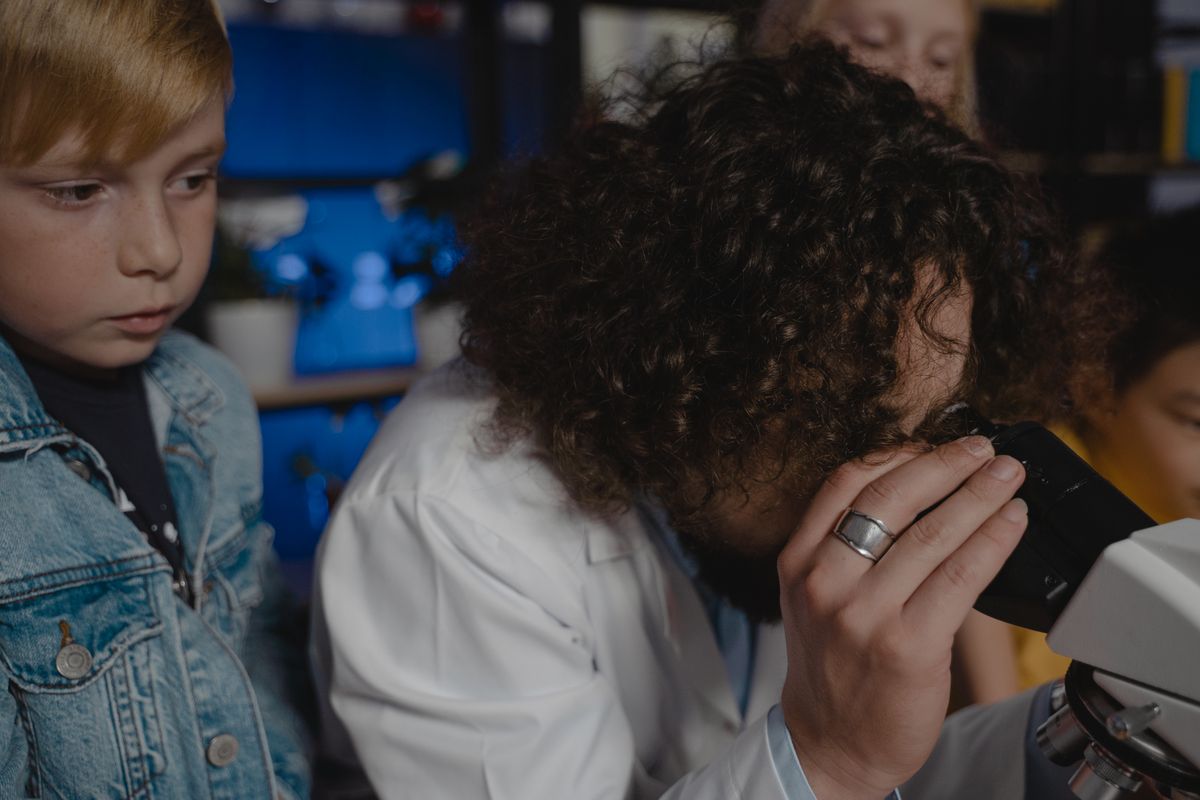
In our science wing, a failed experiment is treated as information. Students log what went wrong, adjust one variable and try again — the same loop real researchers use daily. When a learner sees that even Nobel laureates once failed exams, a poor grade stops feeling like a verdict and starts feeling like feedback.
"We don't celebrate the mistake. We celebrate what the student does next — and that changes everything about how they approach hard things."

The next time your child brings home a disappointing result, try the scientist's response: what did we learn, and what will we change? If you'd like a partner in that process, our teachers and counselors practice it every single day.
Head of Science at Maplewick Academy, leading our research programs and the annual Young Researchers' Symposium.
Samuel Goodrich•December 20, 2024  Lisa Taylor•December 19, 2024