 Lisa Taylor•December 23, 2024

 Samuel Goodrich•December 20, 2024•5 min read
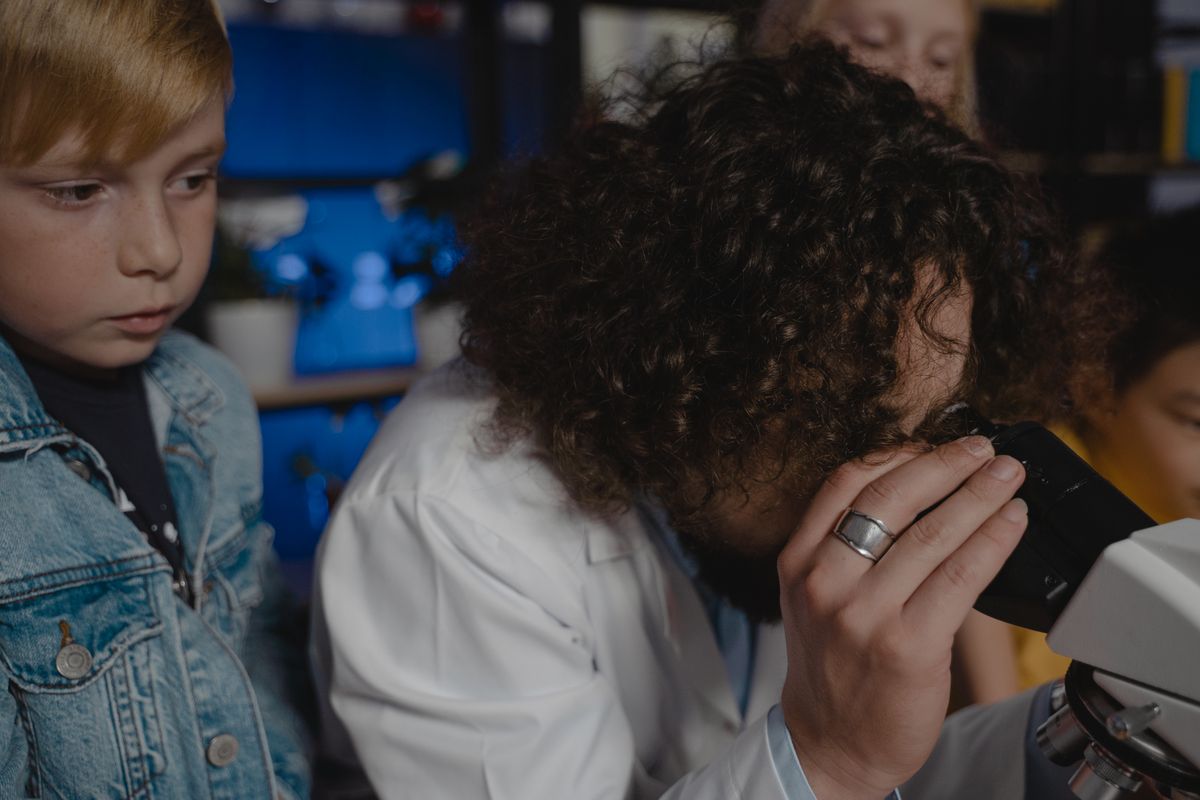
Ask a Maplewick senior what drives them and you'll rarely hear "grades." You'll hear about the water-filter project for a sister school, the short film that premiered in our auditorium, the robotics trophy on the science-wing shelf. Somewhere along the way, schoolwork became personal — and that shift changes everything.
Psychologists call it purpose-driven motivation: students who connect learning to something they care about study longer, bounce back faster and remember more. Our job as educators is to help every child find that connection early.
Each year begins with a strengths review. Mentors sit with students to map what energizes them — building, writing, performing, organizing — and then deliberately link coursework to those sparks. A student who loves drawing might tackle geometry through architecture; a young organizer might run the charity drive as a leadership project.
"When a student says 'this matters to me,' effort stops feeling like effort. Our role is to engineer as many of those moments as possible."
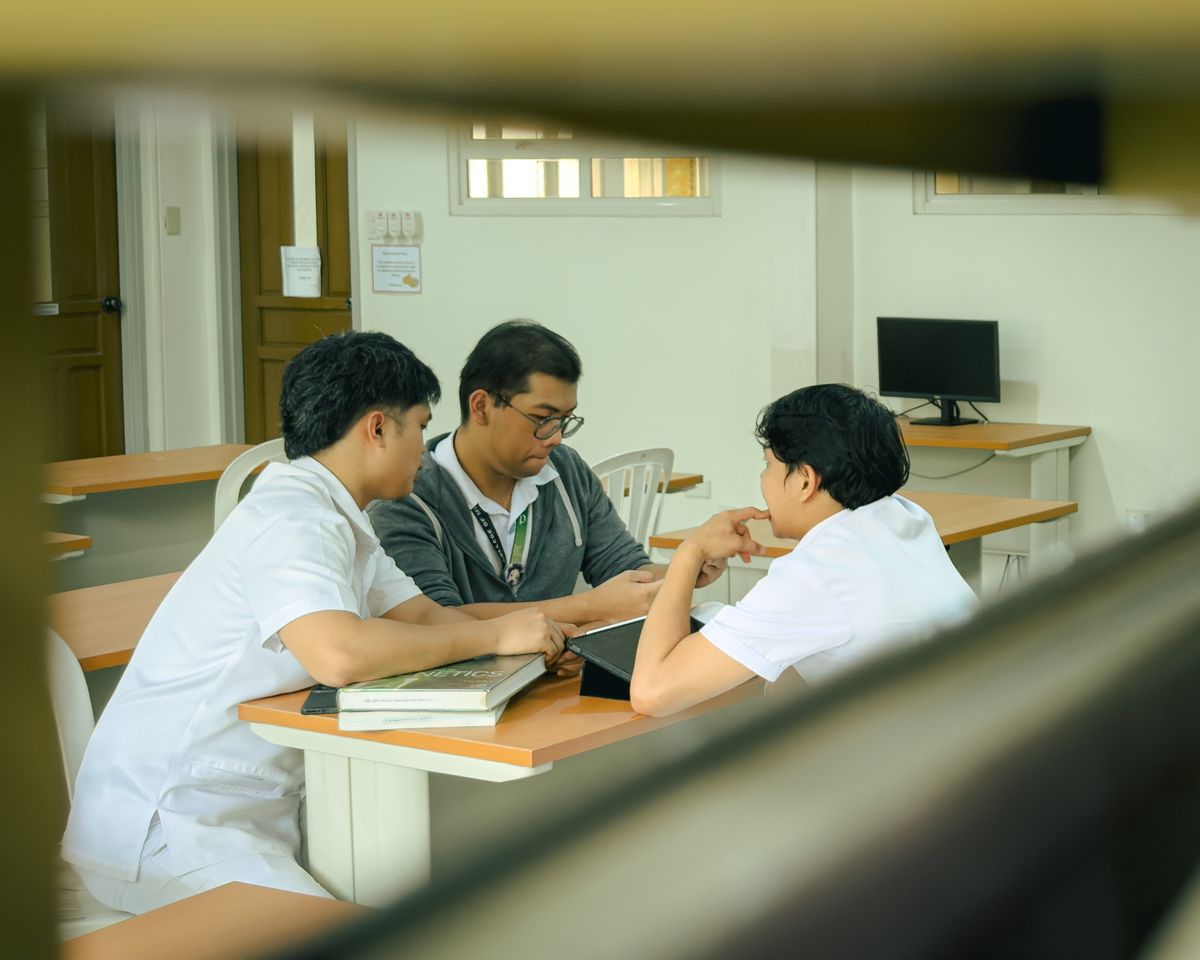
Parents can help at home by noticing what lights their child up — and naming it. "You worked on that model for two hours" tells a child something powerful about themselves. Combined with a school designed around purpose, that recognition becomes a compass for life.
Student mentor and humanities lead at Maplewick Academy, coaching our debate and service programs.
Lisa Taylor•December 23, 2024  Lisa Taylor•December 19, 2024